New Concrete Driveways From Independent Local Providers
Request an estimate and compare quotes
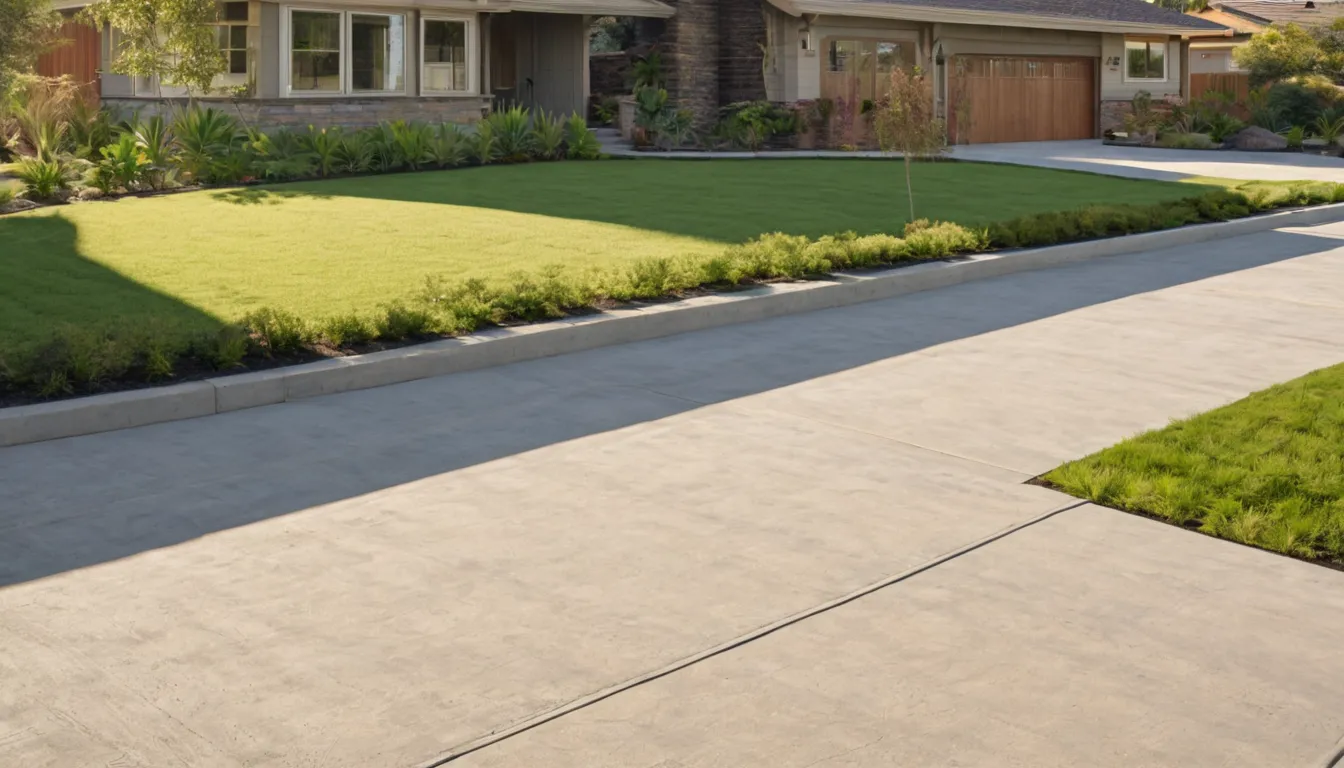
A driveway takes a daily beating. Cars, trucks, heat, and heavy rain all push on it. Over time the slab cracks, sinks, or flakes, and it can become a trip hazard or a drainage problem. At some point, a new driveway is the safer choice.
Struxnet Concrete is a referral service. We do not pour concrete. We help homeowners in the DeSoto area reach an independent provider in our network while the plan is still simple. You can ask questions, share your goals, and compare written quotes with no obligation. Ask first, pour later.
Start Here: Repair or Replace?
Most people searching for concrete driveway repair really want one answer. Can this drive be saved, or is it time for a new one? Both choices are real. The right one depends on how deep the damage goes.
The sooner a provider looks at it, the more options you keep. A small problem is easier to plan around than a failed slab.
Safety Problems Come First
Some driveway damage is more than ugly. It can hurt someone. Treat these as the top priority:
- Raised edges that catch a foot or a wheel
- Sunken sections that hold water and turn slick
- Wide gaps or crumbling corners
- Slabs that rock or shift when you drive over them
Do mark the trouble spots so family and guests see them. Do keep kids, bikes, and walkers away from loose edges. Do not fill deep gaps with a quick patch and call it done. A patch over a moving slab will fail again.
Signs You Need a New Driveway
A few small hairline cracks are normal. A drive that needs a full replacement shows bigger signs:
- Many cracks that cross each other or run the full width
- Sections that have sunk or tilted in different directions
- A surface that flakes, pits, or sheds sand
- Repeated patching that keeps coming apart
- Standing puddles after every rain
If you see two or three of these, ask a provider for an opinion. Quote in writing, so you can compare a repair plan against a full replacement.
When Repair Still Makes Sense
Not every drive needs to go. A single crack in an otherwise solid slab can often be sealed. A small chipped corner may be rebuilt. A provider can tell you which is which once they see the base and the slab thickness.
Do not pay for a full tear-out if only one section failed. Do not accept a repair if the slab is moving. Ask the provider to explain, in plain words, why they picked one path.
Water Is the Quiet Cause
In our region, hot summers and heavy downpours test every slab. Rain that runs under a driveway can wash out the soil below it. The concrete then loses its support and cracks or sinks. Tropical storm season makes this worse.
If a sunken slab sits next to the house, look at the wall above it. New cracks in brick, or doors that stick, can point to soil movement near the foundation. In that case, talk with foundation repair experts before you plan any new flatwork. A new drive over a moving problem will not last.
What a New Driveway Project Includes
A complete job has several steps, and each one matters:
- Removing and hauling away the old concrete
- Grading the soil so water runs away from the house
- Laying and packing a gravel base
- Setting forms, and steel bars or mesh where the plan calls for it
- Pouring, finishing, and cutting control joints
- Curing the slab and cleaning up
Ask the provider to list these steps in the quote. Missing items are a warning sign.
Choosing Size, Thickness and Finish
Measure how you really use the space. A one-car strip is not the same as a drive that fits two cars and a visitor. Wider turns and a parking pad can make daily life easier.
Thickness matters too. Many homes use about four inches for cars. Heavier trucks or trailers may call for more. Ask what the provider recommends for your vehicles.
For finish, a light broom texture gives grip when the surface is wet. Do not choose a smooth, glossy finish for a sloped drive. It gets slippery in heavy rain. Color and pattern choices exist, but grip should come first.
Permits and the Street Apron
The apron is the part of the drive where it meets the street. Many towns control it, and some require a permit or set their own rules for width and thickness. Some neighborhoods also have association rules.
Do ask the provider whether they handle the permit paperwork or leave it to you. Do not start work until you know the answer. A job done without a needed permit can be a costly problem later.
Choosing a Concrete Provider
Providers in our network are independent local businesses. Each one runs its own jobs and sets its own prices. Before you hire anyone, check a few basics:
- Ask for a written quote with a clear scope
- Ask about their insurance and any local license rules
- Ask for photos of similar flatwork they have done
- Ask who will be on site and who is responsible for the work
Do not hand over a large deposit before the terms are on paper. Do not pick a quote only because the number is small. Missing steps are often the reason.
Questions to Ask Before the Pour
Bring these to every conversation:
- How deep will the gravel base be?
- How will water drain away from the slab and the house?
- Where will control joints go?
- How long until I can walk on it, and drive on it?
- What happens if the weather turns during the pour?
Request a callback to check provider availability, or send the request form and compare answers side by side.
After the Pour: The First Week
Fresh concrete needs patience. Keep cars, pets, and kids off it until the provider says it is ready. Many providers ask for a few days before foot traffic and longer before vehicles.
Do not wash it with harsh chemicals early. Do not let sprinklers soak the edges all day. Follow the written care steps you were given.
Keeping It Looking Good for Years
A little care prevents the next repair. Seal the surface when the provider advises. Sweep away leaves and dirt that hold moisture. Rinse off oil and fuel drips quickly. Keep gutters and downspouts pointed away from the slab.
In heat and humidity, check the edges after storm season. If soil washes out, fill it back in before it grows. Small habits protect a big investment.
Ready to Plan?
Start with a short request. Tell us about your drive and your goals. A provider in our network can follow up, and you can compare quotes at your own pace, with no obligation.
What's Included
Old Concrete Removal
Providers break up the worn slab, haul it away, and check the soil before anything new goes down.
Grading and Base
The ground is shaped so water runs off, then topped with packed gravel for support.
Forms and Reinforcement
Forms set the shape, and steel bars or mesh can add strength where the plan calls for it.
Pour, Finish and Cure
Concrete is placed, textured for grip, jointed, and left to cure before use.
Typical Concrete Driveway Costs in the U.S.
Prices vary by size, soil, access, and finish. These are common U.S. ranges only. Ask every provider for a written quote that lists each item.
| Item | Typical range | Notes |
|---|---|---|
| Standard broom-finish concrete | $6 – $12 per sq ft | Common choice for grip and value |
| Two-car driveway, full project | $3,500 – $8,000 | Depends on size and site |
| Old slab removal and haul-away | $1 – $3 per sq ft | Thicker or reinforced slabs cost more |
| Grading and gravel base | $1 – $3 per sq ft | Poor soil may need extra work |
| Color or decorative finish | $3 – $8 per sq ft extra | Adds to the base price |
| Permit and apron work | $100 – $1,000 | Rules and fees differ by town |
How It Works
Send a Request
Share your address area, drive size, and what is wrong. It only takes a few minutes.
Talk With a Local Provider
An independent provider in our network follows up to ask questions and set up a site visit.
Compare Written Quotes
Review scope, thickness, drainage, and terms side by side before you choose anyone.
Plan the Pour Date
Pick a time with your provider, and get the care steps in writing for after the work.
Why Call Struxnet Concrete
Less Searching, Earlier Start
One request can connect you with an independent provider while your plan is still small and simple.
Safety First
We point you to hazards to fix first and questions to ask before work begins.
Clear Quotes
Compare written quotes from providers in our network, so you can see what each price includes.
No Pressure
Asking is no obligation. You decide if, when, and with whom to move ahead.
Other Services
Need concrete driveways in DeSoto?
- Request an estimate in a few minutes
- Driveways, patios, and stamped finishes
- Written quotes before any work starts
- No obligation to hire
Concrete Driveways FAQ
How do I know if my concrete driveway needs replacing?
Look for many crossing cracks, sunken or tilted sections, a flaking surface, and puddles that never drain. If patches keep failing, a provider can check the base and tell you whether replacement makes sense.
How thick should a new concrete driveway be?
Many home driveways are about four inches thick, which suits regular cars. Heavy trucks, trailers, or weak soil may need more. Ask your provider what they recommend and get the thickness written into the quote.
Do I need a permit for a new driveway?
Often yes, especially for the apron where the drive meets the street. Rules differ by town and neighborhood. Ask the provider whether they handle the paperwork, and confirm before any work starts.
Request a callback
Tell us about your new driveway, patio, or stamped finish. Request an estimate and a provider in our network can follow up with questions and a written quote.
No obligation